Teething and Baby Sleep: What’s Really Going On (And What Helps)
Your baby woke at midnight, again at 2am, and then apparently decided that 4am was a perfectly reasonable time to start the day. They’re dribbling everywhere, chewing your fingers like their life depends on it and someone has already said the words, “It’ll be their teeth.”
And they might be right.
Teething can affect sleep. Some babies are uncomfortable when a tooth is coming through and may wake more, need more help settling or seem more miserable than usual. But teething is also one of those things that gets blamed for an awful lot, especially once babies reach the age where there always seems to be another tooth lurking somewhere under the surface.
The problem is that while teething can disturb sleep, it doesn’t usually explain weeks and weeks of exactly the same difficult nights. So if you’ve been telling yourself “it’s probably just their teeth” for a fortnight and nothing is changing, it may be worth looking at what else is going on too. That doesn’t mean there’s a problem and it certainly doesn’t mean you need to overhaul how your baby sleeps. It just means babies are rarely doing one thing for one neat, convenient reason.
Does Teething Affect Baby Sleep?
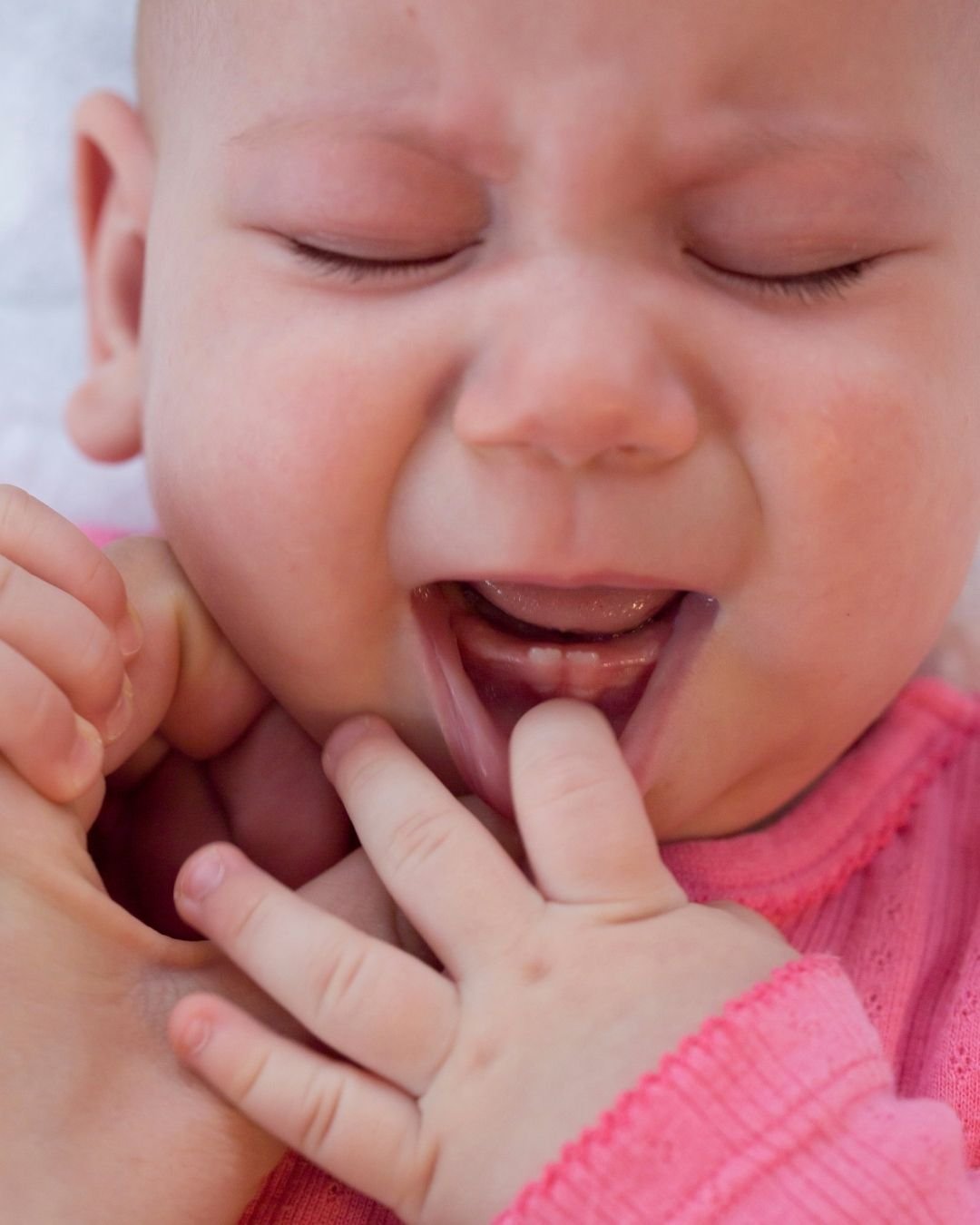
Yes, it can. The NHS lists not sleeping very well as one of the possible signs of teething, alongside things like extra dribbling, chewing on things, a sore red gum and being more fretful than usual. It also points out that some babies seem to get teeth with very little discomfort at all, which probably explains why parents can have such different experiences of teething.
The research isn’t completely clear-cut either. Studies following babies around the time teeth erupt have found things like increased irritability, dribbling and wakefulness, with some also finding disturbed sleep. What is useful to know is that teething symptoms tend to happen around the period a tooth is coming through rather than explaining the same sleep disruption for weeks on end.
So yes, teething can make sleep worse for a while. But if your baby’s sleep changed three or four weeks ago and hasn’t improved, I wouldn’t keep waiting indefinitely for a tooth to take responsibility.
What Are the Signs That Teething Might Be Affecting Sleep?
I’d look at the whole baby rather than deciding that one bad night must mean teeth. If your baby is chewing everything, dribbling much more than usual, has a sore-looking gum and seems more unsettled or clingy during the day as well as at night, then teething becomes a fairly sensible explanation.
Some babies get a flushed cheek or seem particularly keen to bite down on things when their gums are sore. You may even be able to see or feel where a tooth is close to coming through. What makes me less convinced is when nights have suddenly become horrendous but your baby is completely themselves during the day.
This is where it also helps to think about what else has changed. New skills, separation anxiety, nap transitions, starting nursery, illness, travel or a change in routine can all affect sleep too. Sometimes a tooth is part of the picture, but it may not be the whole explanation.
Lots of what gets labelled a sleep regression is really development and sleep changing together. I’ve written more about that in The Truth About Baby Sleep Regressions.
How Long Can Teething Affect Sleep?
For babies who are noticeably affected, the roughest patch is generally around the time a particular tooth is coming through rather than carrying on unchanged for weeks. In my experience with families, it tends to look much more like a few unsettled days than a completely different baby for a month.
If the same waking pattern has been going on for several weeks, I’d start looking more widely rather than continuing to wait for a tooth to explain it. If your baby is suddenly waking very frequently and teeth don’t quite seem to account for it, my post on why babies wake every hour goes through some of the other things I look at.
What Helps a Teething Baby Sleep?
Unfortunately, there isn’t a magic teething trick that guarantees a better night. Mostly, you’re trying to make an uncomfortable few days a bit easier while the tooth does its thing.
If your baby wants more cuddles, feeding, rocking or contact while their gums are sore, it’s fine to give them more of that. Needing extra comfort when they are uncomfortable does not create a bad habit or teach them that they now need to wake. If contact naps suddenly become easier than trying to transfer an unhappy baby into the cot, that is okay too. You can read more about contact naps and whether they’re really a problem here.
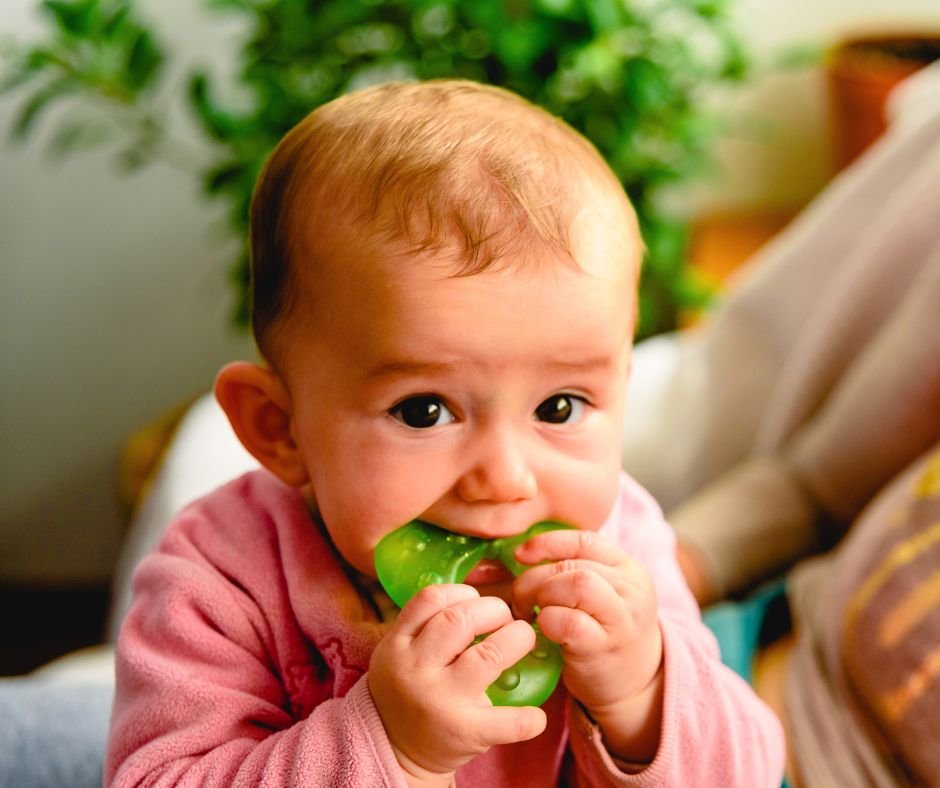
Teething rings can help because they give babies something safe to bite down on, and some can be cooled in the fridge first. Follow the instructions that come with the ring, never put one in the freezer and never tie a teething ring around your baby’s neck.
If your baby is six months or older and eating solid food, cool foods or something appropriate to chew may also help soothe sore gums. Always stay with your baby while they’re eating and follow normal choking-safety guidance. You can also gently rub their gums with a clean finger if they’re happy for you to do it.
If your baby seems uncomfortable, age-appropriate pain relief may help. The NHS says sugar-free paracetamol can be given from two months and ibuprofen from three months for teething pain, but always follow the age, weight and dosing instructions for the product you are using. If you are unsure whether something is suitable for your baby, speak to a pharmacist.
I wouldn’t rush to teething gels either. The NHS says there is a lack of evidence that they work and suggests trying things such as teething rings or appropriate pain relief first. If you do choose to use one, make sure it is specifically made for young children and bought from a pharmacy, because general oral pain-relief gels are not suitable for babies.
And while wiping dribble is hardly revolutionary sleep advice, all that extra saliva can leave the skin around your baby’s mouth and chin sore, which is one more bit of discomfort they could probably do without. Gently keeping the area dry can help.
Do You Need to Change Your Baby’s Bedtime or Routine?
Usually, no. Teething isn’t a reason to suddenly change how your baby falls asleep. If feeding, rocking or holding is what gets them through a few uncomfortable nights, carry on. Comforting a baby whose gums hurt does not undo anything or mean you’ll somehow be stuck doing it forever.
I also wouldn’t automatically start shifting naps or dragging bedtime earlier because you’ve had two or three rough nights. If your baby is tired and ready for sleep sooner one evening, respond to the baby in front of you, but there is no need to redesign their whole sleep pattern because a tooth has temporarily made things more difficult.
Once they are feeling better, see what happens. Often babies just go back to needing what they needed before. If something has changed and the old way is no longer working for your family, you can look at that then without having to make changes while your baby is uncomfortable.
When Teething Isn’t the Best Explanation
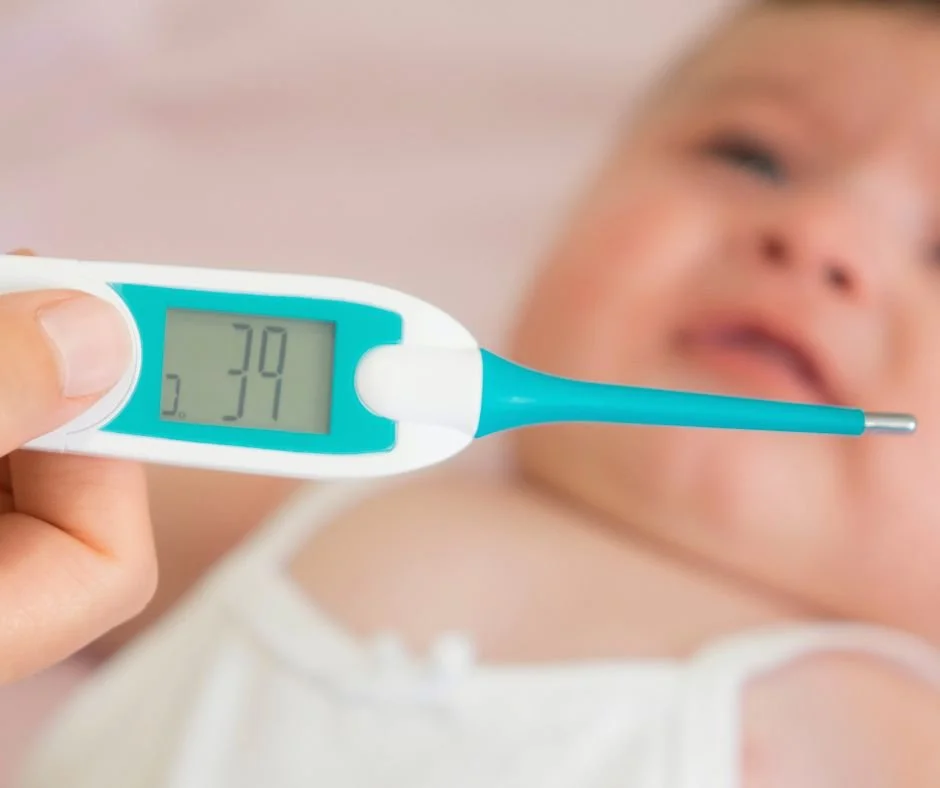
This is important because “they’re teething” can become an easy explanation for symptoms that need looking at properly. The NHS says teething may cause a slightly raised temperature, but below 38°C, and there is no evidence that teething causes diarrhoea.
If your baby has a fever, diarrhoea, seems unusually unwell or something does not feel right to you, don’t assume it is their teeth. Follow NHS guidance for your baby’s age and contact your GP, pharmacist or NHS 111 if you are concerned.
The same idea applies to sleep. If a tooth has appeared and your baby is still waking much more often several days later, it may simply mean the tooth was only one part of the picture. Babies can be teething while also going through developmental changes, adjusting to a new routine or picking up an illness, which is why pinning everything on teeth can sometimes send you down the wrong path.
If your baby has started having long periods wide awake in the middle of the night rather than waking because they seem uncomfortable, my post on 3am wake-ups explains some of the other things that can be behind it.
Want to Understand Your Baby’s Sleep More Clearly?
If your baby’s sleep has changed and you’re not really sure what is behind it, my free guide to longer night stretches without sleep training is a good place to start. It looks at some of the things that shape night waking and helps you work out what might be worth looking at first.
If you want something more structured, the Baby Sleep Builder helps you look at the whole picture rather than randomly trying the next piece of sleep advice that appears on Instagram.
And if you’d rather have me look at your baby’s sleep with you, you can book a free discovery call to see whether 1:1 support feels like the right option for your family.
Frequently Asked Questions
Does Teething Cause Night Waking?
It can. Some babies seem to wake more when a tooth is coming through, while others barely notice. If your baby has obvious teething signs during the day as well as more disturbed nights, teeth may well be playing a part. If the waking continues for weeks, though, I’d look at what else might have changed too.
How Long Can Teething Affect Sleep?
For babies who are affected, the worst of the discomfort tends to be around the period a particular tooth is coming through. If the same difficult sleep pattern has continued for several weeks, teething may not be the only thing involved.
Can I Give My Baby Paracetamol or Ibuprofen for Teething at Night?
The NHS says sugar-free paracetamol can be given from two months and ibuprofen from three months for teething discomfort. Always follow the instructions for your baby’s age and weight and check with a pharmacist or GP if you are unsure whether a medicine is suitable.
Do Teething Gels Work?
There isn’t strong evidence that they do. The NHS recommends trying things such as teething rings or appropriate pain relief first. If you choose to use a gel, use one specifically made for young children and sold through a pharmacy, because ordinary mouth pain gels are not suitable for babies.
Should I Change My Baby’s Bedtime While They’re Teething?
You don’t need to change your baby’s whole sleep routine because of a few teething nights. If they seem tired sooner than usual, of course you can respond to that, but there is no need to start changing naps or bedtime automatically because sleep has been rough for a couple of nights.
Does Teething Cause a Fever?
The NHS says teething may cause a slightly raised temperature, but below 38°C, and there is no evidence that teething causes diarrhoea. If your baby has a fever, diarrhoea, seems unwell or you are concerned about them, follow NHS guidance for their age or seek medical advice.