My Baby Will Only Sleep on Me - Is That a Problem?
If you've ended up here while sitting pinned underneath a sleeping baby, tea going cold on the side, quietly calculating whether you could make it to the bathroom and back without a catastrophic wake...
The first thing I want to do is challenge the worry that brought you here.
Because modern baby sleep advice has spent a great deal of time convincing parents that closeness is a problem to be solved. That a baby who only settles on you has developed habits that need correcting. That comfort during sleep is something you'll regret.
It isn't. And this is what I want to talk about.
Closeness Is Not a Habit. It's Biology
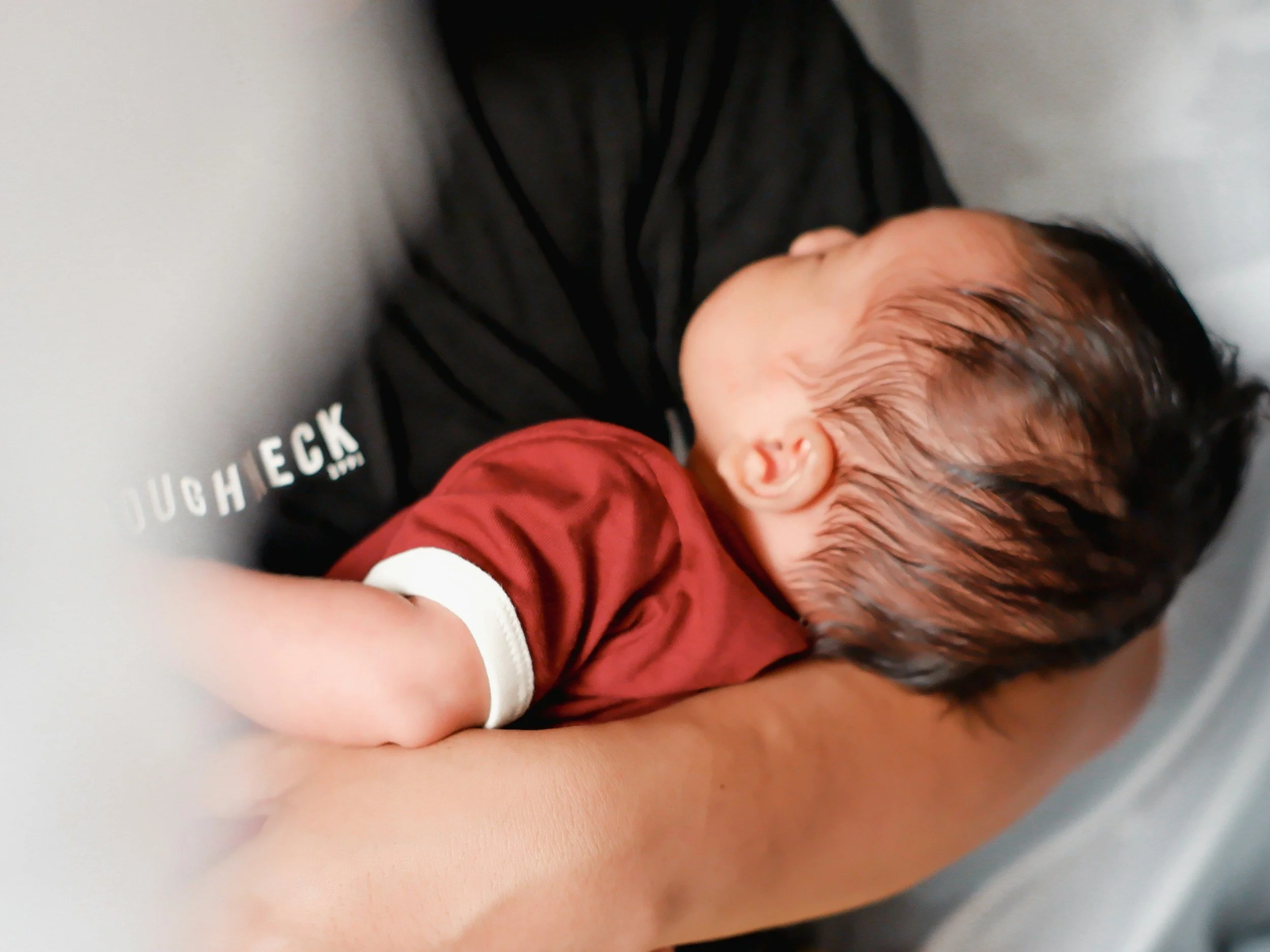
When your baby falls asleep on your chest and wakes up approximately four seconds after being transferred into the cot, it does not mean you have done something wrong.
It means your baby feels safest close to you. And from a nervous system perspective, that makes complete sense.
Your baby does not know they are in a safe, warm house with central heating, white noise, and a monitor pointed directly at them. Their nervous system is operating from much older wiring than that. Being close to a caregiver signals warmth, safety, familiar smells, familiar sounds, and protection. Even a brief and entirely safe separation can activate a stress response in a young nervous system.
Humans are carry mammals. Babies are biologically primed to seek proximity, especially during sleep, which is one of the most vulnerable states we enter. Contact napping is not a quirk you created. It is a deeply normal expression of how babies are built.
Some Babies Are Simply Harder to Put Down - and That Is Not About What You Did
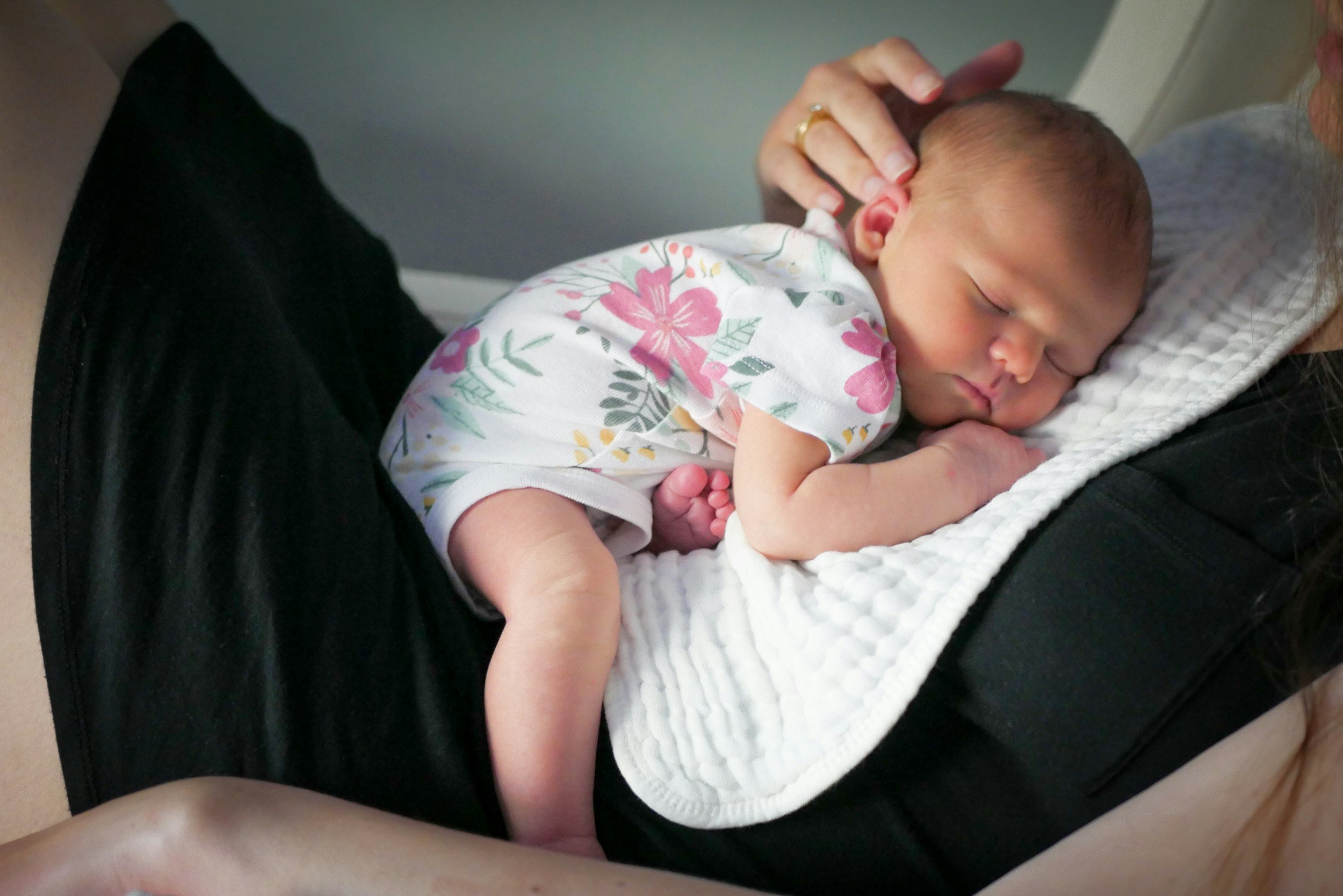
Temperament is one of the biggest factors in baby sleep, and one of the least talked about.
Some babies will settle happily into a cot from the early weeks. Others react as though the mattress is personally offensive. The difference is not parenting. It's neurology.
Sensory sensitivity plays a significant role here. Some babies are simply more aware of changes in their environment - the shift in temperature when they leave your arms, the change in sound, the absence of your heartbeat and breath rhythm. For a highly sensitive baby, that transition is genuinely noticeable in a way it isn't for others.
Alertness and environmental awareness also vary enormously from one baby to the next. More alert babies tend to register separation more acutely and respond to it more strongly. They are not more difficult. They are more aware.
The need for physical comfort exists on a wide spectrum. Some babies require considerably more proximity than others to feel settled enough to sleep. That is not a flaw. It is part of the range of normal human variation.
This is why the same advice lands so differently across families. One parent follows a routine they found online and their baby settles beautifully. Another follows the exact same routine and ends up pacing the landing at midnight with a baby who absolutely did not read the memo. Babies are people. Tiny people, admittedly, but still people.
If you'd like to understand more about how individual biology shapes sleep, Is There a Gold Standard for Baby Sleep? explores why averages mislead and why your baby's pattern may be entirely normal for them.
No, You Have Not Created a Problem
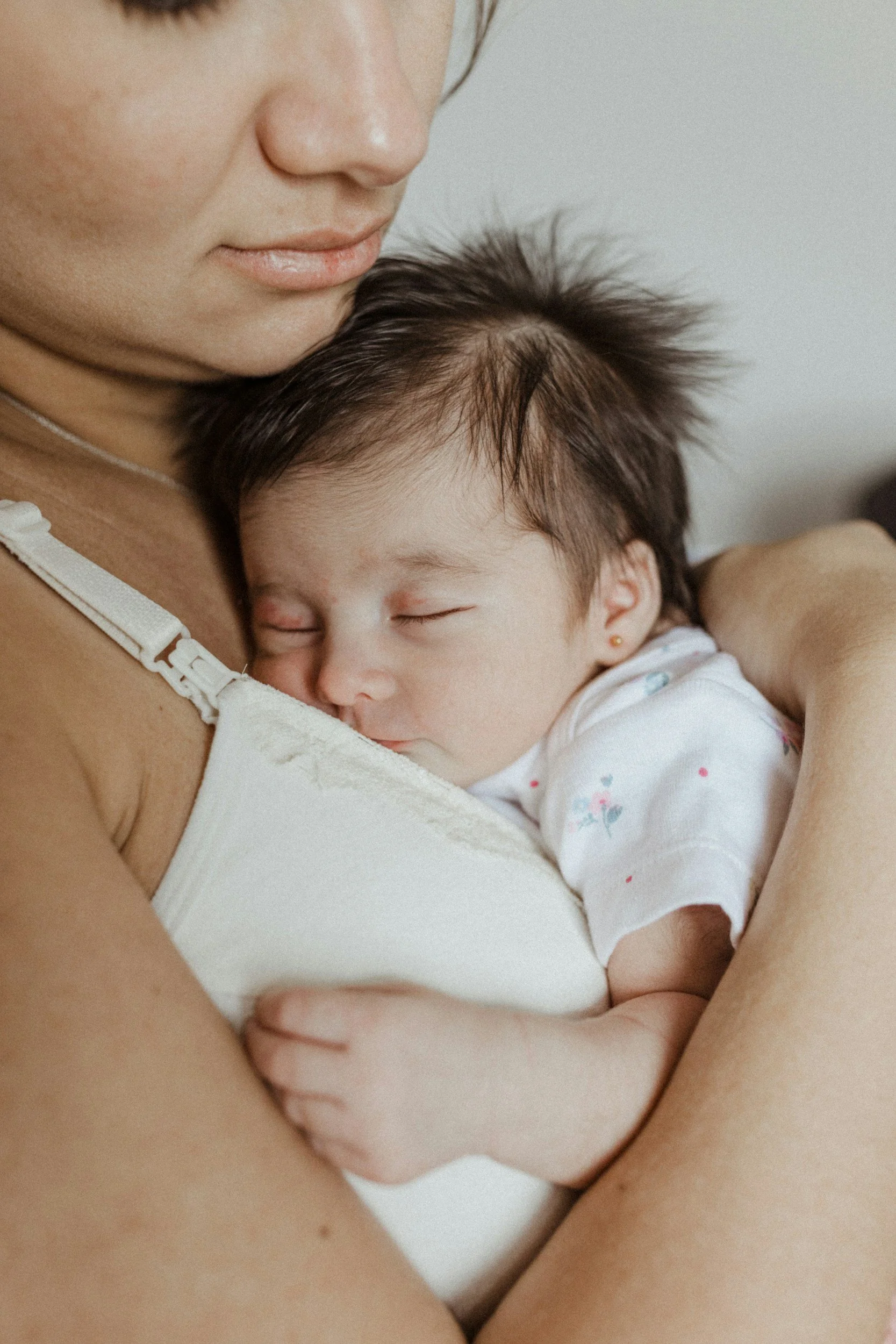
This is usually the point where most parents I speak to are quietly convinced they've caused lasting damage.
They've absorbed so much messaging about bad habits, self-settling, and sleep associations that by the time they reach out, they're not just exhausted - they're truly worried that responding to their baby's need for closeness was a parenting mistake.
It wasn't.
Support to sleep is not the same as causing a sleep problem. A baby who settles well on a parent is not proof they will be incapable of independent sleep forever - any more than a toddler needing help with their shoes means they'll still need assistance at fifteen.
Sleep changes constantly throughout childhood. Babies develop, mature, and grow in confidence on their own timetable. Dependency in infancy is not a flaw in the system. It is the starting point for it.
The internet often frames independence as something that must be actively taught as early as possible, as though it were a skill babies need drilling in before a deadline. But true independence tends to grow out of feeling safe enough to separate, not from being pushed away from closeness before a child is ready.
I've written more on why sleep associations are so widely misunderstood in Is Feeding to Sleep a Bad Habit? and in Giving In vs Leaning In, which looks directly at why responding to your baby is not the same as creating a problem
Feeling Trapped and Exhausted by Contact Naps Is Also Completely Normal
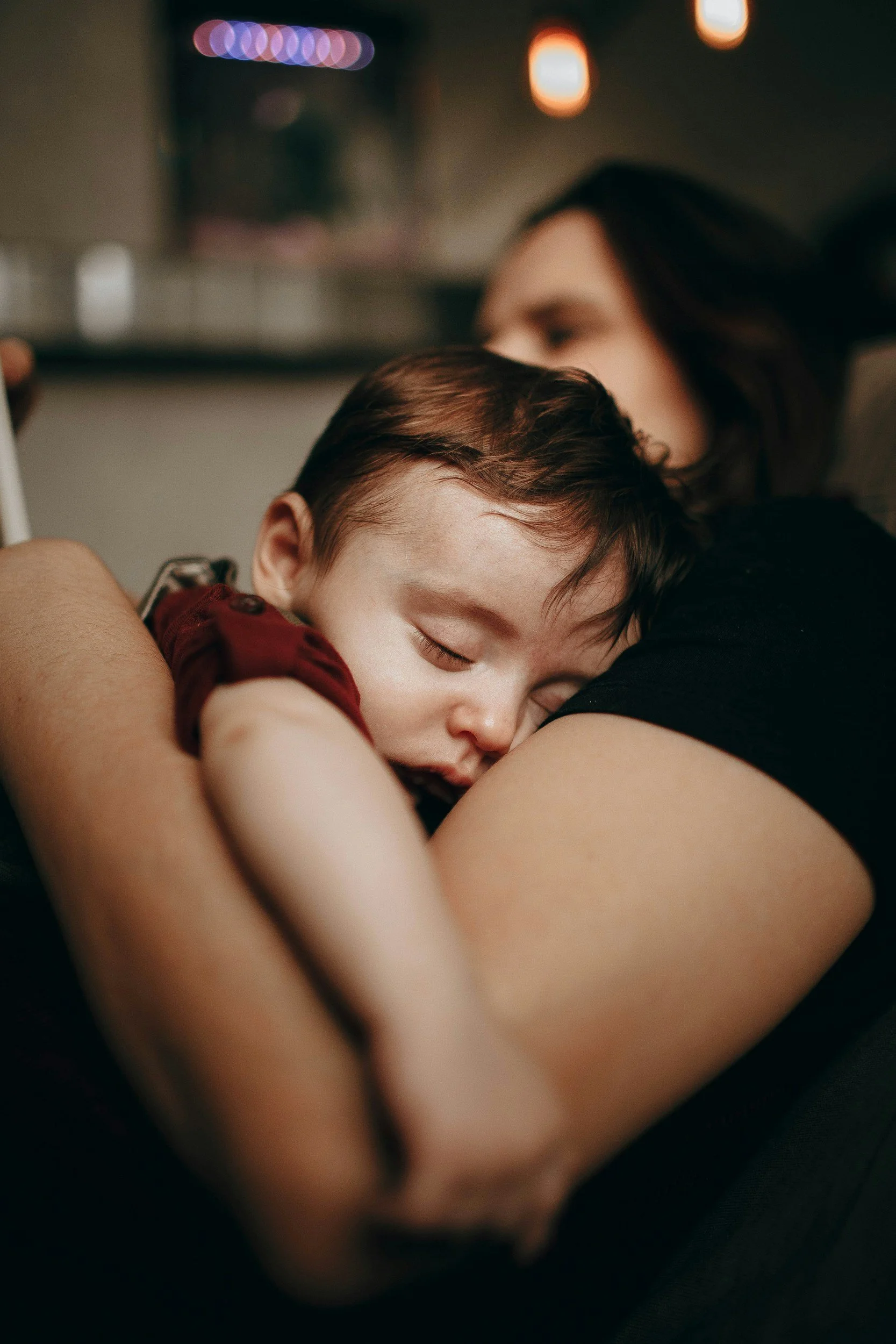
Here is something that doesn't get said often enough.
You can feel entirely at peace with your baby's need for closeness and simultaneously be desperate to eat a hot meal, move your body, or simply exist as a separate person for twenty minutes. Both things can be true at the same time.
A lot of parents feel guilty admitting the second part. They worry it makes them seem resentful or ungrateful, as though finding contact napping exhausting reflects badly on them. It doesn't mean any of that.
Contact napping is biologically normal. It is also physically demanding. You are not a mattress. You are a person.
There often comes a point - frequently around six to eight months, when babies are heavier, naps are consolidating, and the weight of months of disrupted sleep has quietly built up - where something that once felt manageable simply stops feeling that way.
That is not failure. That is information.
And it does not mean you need to swing to the opposite extreme or suddenly stop responding to your baby altogether. It means you are allowed to want something to shift.
Does Sleeping on You at Nap Time Actually Cause More Night Waking?

This is probably the most common fear I hear about contact napping, and I want to answer it honestly.
Contact naps are not the direct cause of frequent night waking - despite how confidently parents are told otherwise.
I have worked with babies who were fed and held to sleep for every single nap and slept reasonably well overnight. I have worked with babies who fell asleep independently at bedtime and still woke every ninety minutes throughout the night. The relationship between daytime settling and night waking is not as direct or predictable as it's so often made to sound.
Night waking is shaped by a combination of things - total sleep across twenty-four hours, temperament, developmental stage, nervous system regulation, and the natural lightening of sleep in the second half of the night. How a baby falls asleep is one small piece of a much larger picture.
If you'd like to understand what is actually driving frequent waking,Why Does My Baby Wake So Often at Night? goes into what's really going on, and Baby Wide Awake at 3am? specifically covers why that second half of the night can feel so relentless.
'Gentle Change Is Possible. It Doesn't Have to Be All or Nothing
Baby sleep conversations online tend to offer two options. Continue exactly as you are, no matter how unsustainable it has become. Or stop supporting your baby to sleep and ‘teach’ them to settle independently, right now.
Most families end up somewhere between those two extremes. And that middle ground is where the most sustainable changes tend to happen.
If you've reached the point where contact napping is no longer working for you, here is what gentle, realistic change actually looks like:
Start with one nap, not all of them. Trying to change every nap at once is overwhelming for both you and your baby. Identify the nap where your baby tends to settle most easily - often the first nap of the day - and begin experimenting there. One step, not an overhaul.
Wait until your baby is properly asleep before attempting a transfer. The advice to put babies down drowsy but awake is one of the most confidence-eroding pieces of guidance in circulation. Most babies, and particularly younger or more sensitive ones, transfer far more successfully once they are in a deeper sleep. Give it time before you move them.
Stay physically present as you make the change. Removing the contact does not have to mean removing you. Sitting close, keeping a hand on their back, offering your voice - these all provide enough nervous system support to make a difference while you shift where the sleep is happening. You are still there. That matters.
Expect repetition and go slowly. Some babies adapt quickly. Others need considerably more time, and reassurance before a new pattern feels familiar to them. If progress is slow, it isn't because you're doing it wrong. It's because your baby needs more repetition before it clicks.
For more on making gradual, sustainable adjustments to sleep without pressure, How to Gently Change Baby or Toddler Sleep When What Used to Work Stops Working is a helpful read alongside this one.
A baby wanting to sleep on their parent is not particularly strange. It is one of the most biologically expected things about babies. The fact that it has been reframed as a problem - as evidence of habits formed and independence delayed - says a great deal about the pressure modern parents are under, and very little about the child in front of you.
If contact napping is still working for your family, it does not need to change. If it has stopped working for you, you are allowed to feel that, and you are allowed to change it. Gently, on your own terms, without guilt.
Your baby's need for closeness is not a sign that something has gone wrong. It's a sign that something is going exactly right.
If you're ready to understand your baby's sleep patterns more deeply and start making changes that feel manageable for your whole family, Baby Sleep Builder is a gentle, practical guide designed to help you work with your baby's biology rather than against it. No rigid schedules. No pressure. Just clarity.
If things feel more complicated than a guide can cover, I offer personalised 1:1 sleep support for families who want hands-on, individual help.
Frequently Asked Questions
Is it bad for my baby to only sleep on me?
No. Babies are biologically designed to seek closeness, particularly during sleep. Contact napping is developmentally normal and does not cause harm. If it is working for your family, there is no reason to change it. If it becomes unsustainable, gentle adjustments can be made gradually and without pressure.
Will my baby ever sleep independently if I always hold them?
Yes. Sleep independence develops gradually as babies mature, not through early training. Babies who receive responsive, contact-based sleep support still develop the ability to sleep independently over time. Dependency in infancy is the normal developmental starting point - not a permanent state.
Does contact napping cause night waking?
Not usually. Night waking is shaped by many factors, including total sleep across twenty-four hours, temperament, developmental stage, and nervous system regulation. How a baby falls asleep is one small part of a much larger picture. Many babies who contact nap sleep well overnight.
Why does my baby sleep on me but wake when put in the cot?
This is very common and rooted in biology. Your baby's nervous system registers the change in sensation when leaving your arms - temperature, movement, your heartbeat and your smell. For sensitive babies, this transition activates a stress response that disrupts sleep. It is not a habit. It is a wiring difference.
How do I gently transition my baby from contact napping to the cot?
Start with one nap rather than all of them. Wait until your baby is in a deeper sleep before attempting a transfer. Stay physically present - a hand on the back or your voice nearby provides enough nervous system support to help them remain asleep. Expect repetition and move slowly.
Is contact napping a bad habit?
No. Contact napping is a biologically normal behaviour driven by your baby's need for closeness and nervous system regulation, not a habit formed through poor parenting decisions. Supporting your baby to sleep does not prevent independent sleep from developing. It reflects the normal starting point for all infants.
When should I stop contact napping?
There is no universal answer. If contact napping is working for your family and feels sustainable, there is no pressure to change it. If it has become physically or emotionally unsustainable for you, that is a valid reason to introduce gentle change at whatever point feels right for your family.