Is Feeding to Sleep a Bad Habit?
You're doing it. You know you're doing it. And somewhere in the back of your mind, a voice, a book, a post, a stranger on the internet, is telling you that you shouldn't be.
That you're creating a problem.
That you'll pay for it later.
That you need to stop. Now. Before it becomes a habit you can't undo.
And so you feed your baby to sleep - the one thing that actually works, the thing that brings you both rest in the middle of the night - and you feel guilty about it.
I want to talk about that guilt. Because it isn't deserved.
Why Has Feeding to Sleep Become So Controversial?

Somewhere along the way, something deeply biological got relabelled as a problem to solve.
The Eat–Play–Sleep routine has become the gold standard in many parenting circles. The idea is straightforward: feed your baby when they wake, play for a while, then settle them to sleep without a feed, so that feeding and sleeping stay separate.
It sounds structured. It sounds like good practice.
But what it actually asks you to do is step away from one of the most powerful and instinctively natural settling tools you have. And it asks you to do that not because your baby is struggling, but because someone has decided, in advance, that you will struggle later.
I understand why parents follow this advice. They're told that if a baby always falls asleep whilst feeding, they'll be unable to resettle between sleep cycles without the same conditions. That they'll need you every time they surface in the night. That they'll never learn to settle independently.
It's presented as logical. Like cause and effect.
But it's far more nuanced than that, and the fear driving most of it is considerably bigger than the problem it's describing.
What Is Actually Happening When You Feed Your Baby to Sleep

When you feed your baby to sleep, you're not creating a dependency.
You're activating calm.
You're supporting their nervous system to move from alert and stimulated to soft and settled. You're using connection as a settling tool. That isn't a habit. It's biology.
Breast milk contains tryptophan - a precursor to serotonin and melatonin, the hormones that support sleep. Evening milk tends to have higher melatonin content than morning milk. Your body is already doing something quite remarkable, and feeding to sleep works in part because of what your milk contains.
Even for bottle-fed babies, the warmth, closeness, and sensory comfort of feeding signal safety to the nervous system. And a nervous system that feels safe is one that can move towards sleep.
Humans have been feeding babies to sleep for thousands of years. Not because they didn't know better. Because it works.
If you'd like to understand more about why sleep is biological rather than behavioural, and why babies don't need to be taught to sleep,I explore that in The One Truth About Baby Sleep That No One Tells You.
"She did it when she was ready. Nothing bad came of 11 months of feeding to sleep.
I was so grateful for it, and for following my instincts.
No adult is still feeding to sleep, and they really do all stop when ready.I was willing to support her in falling asleep for as long as she needed."
Parent commenting on one of my vidoes on TikTok.
The Sleep Association Fear - What It Actually Means

Sleep consultants who advise against feeding to sleep are usually talking about sleep associations.
The idea is that babies learn to fall asleep in a particular way, and then need that same input to resettle when they surface between sleep cycles during the night.
There's something real in that. But here's what's missing from the conversation.
Sleep associations exist on a spectrum. Some require a parent to be actively present every time a baby stirs. Others are far more passive, or shift naturally as babies develop, without any deliberate intervention at all.
Many babies feed to sleep at bedtime and resettle between night wakings without needing a full feed every time. Many manage long night stretches. Many naturally move away from the association as they mature.
And for many families, even where some night waking is happening, feeding to resettle is the fastest, calmest route back to sleep for everyone involved.
The question isn't whether a sleep association technically exists.
The question is whether it's causing a problem in your family.
And that depends not on a rule, but on what suits you as a family. On your baby's total sleep needs across the full 24 hours. On when naps landed that day. On what morning wake-up looks like. On your baby's temperament, and whether they were calm and ready, not just technically awake long enough.
If it isn't causing a problem, it doesn't need to be solved.
If It's Working, It's Working

This is where I want to be very clear.
If feeding to sleep is working for you right now - if your baby is settled, if you're getting enough rest, if everyone is coping - there is no need to change it.
You're not locking yourself into anything permanent. Babies change. What they need at four months is not what they'll need at nine months or fourteen months. The way you settle your baby can shift too, when the time is right and when you are ready.
There is no parenting rule that says you must make things harder than they are.
If It Has Stopped Working
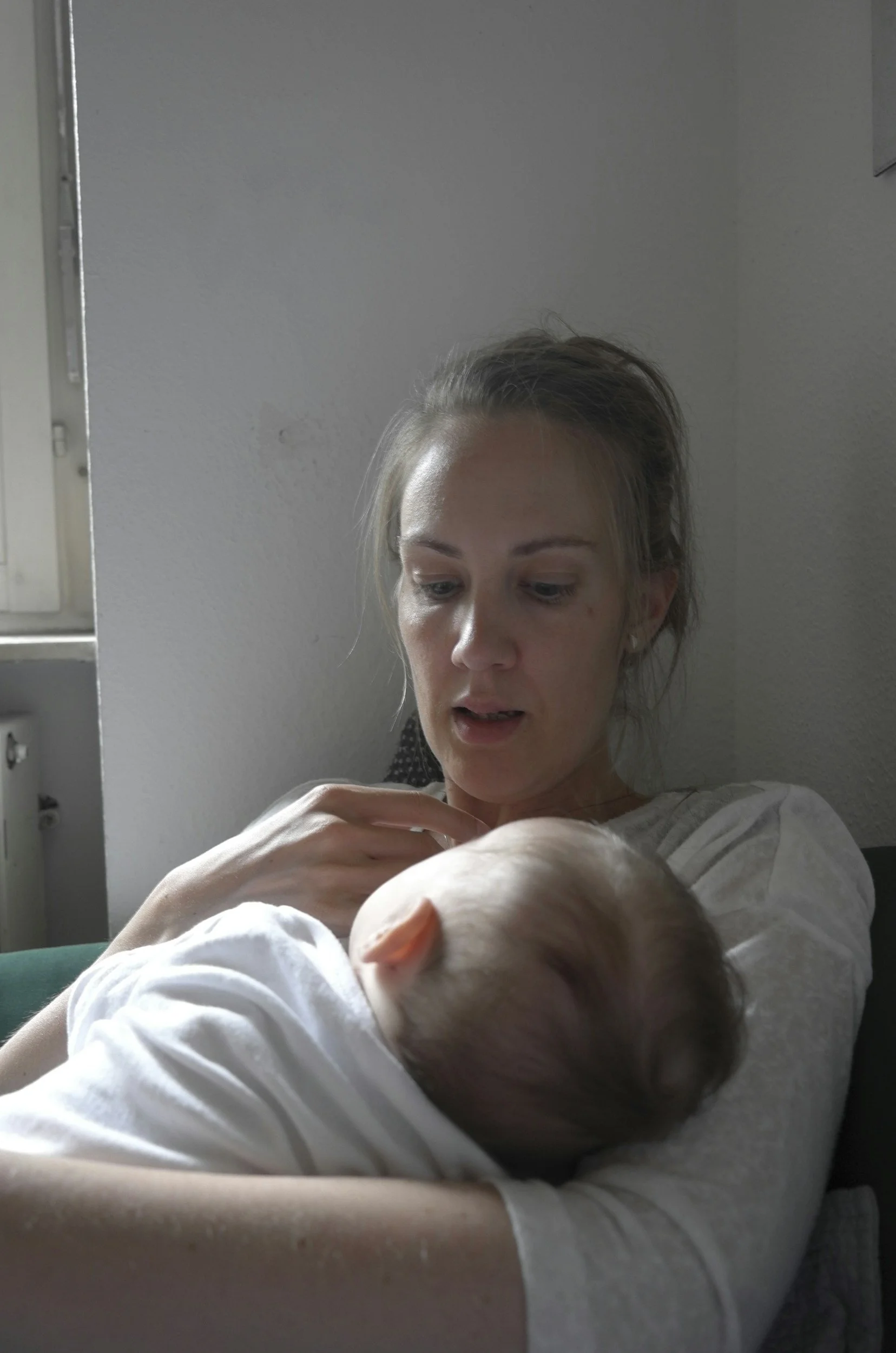
If feeding to sleep is no longer giving you the rest you need - if you're spending a significant portion of the night feeding to resettle, and you're running on empty - that's an entirely different conversation.
Not because feeding to sleep is the villain.
But because you matter in this equation too.
In that case, it's worth looking at the full picture. Not just the feeding, but the total sleep across 24 hours, where sleep is sitting in the day, and what else might be influencing overnight waking. Night waking has many contributing factors, and feeding to sleep is rarely the single cause.
If frequent night waking is your main concern right now, Is It Normal for My Baby to Wake Every Hour at Night? unpacks what's biological, what's developmental, and when it's worth looking more closely.
If you're finding nights increasingly difficult and would like to understand what might be going on, a 1:1 consultation gives us the space to look at everything properly - your baby's sleep needs, their temperament, the rhythms across the day, and what gentle changes might actually help. [
You can find out more about working with me here.
You Are Not Creating a Problem by Responding to Your Baby
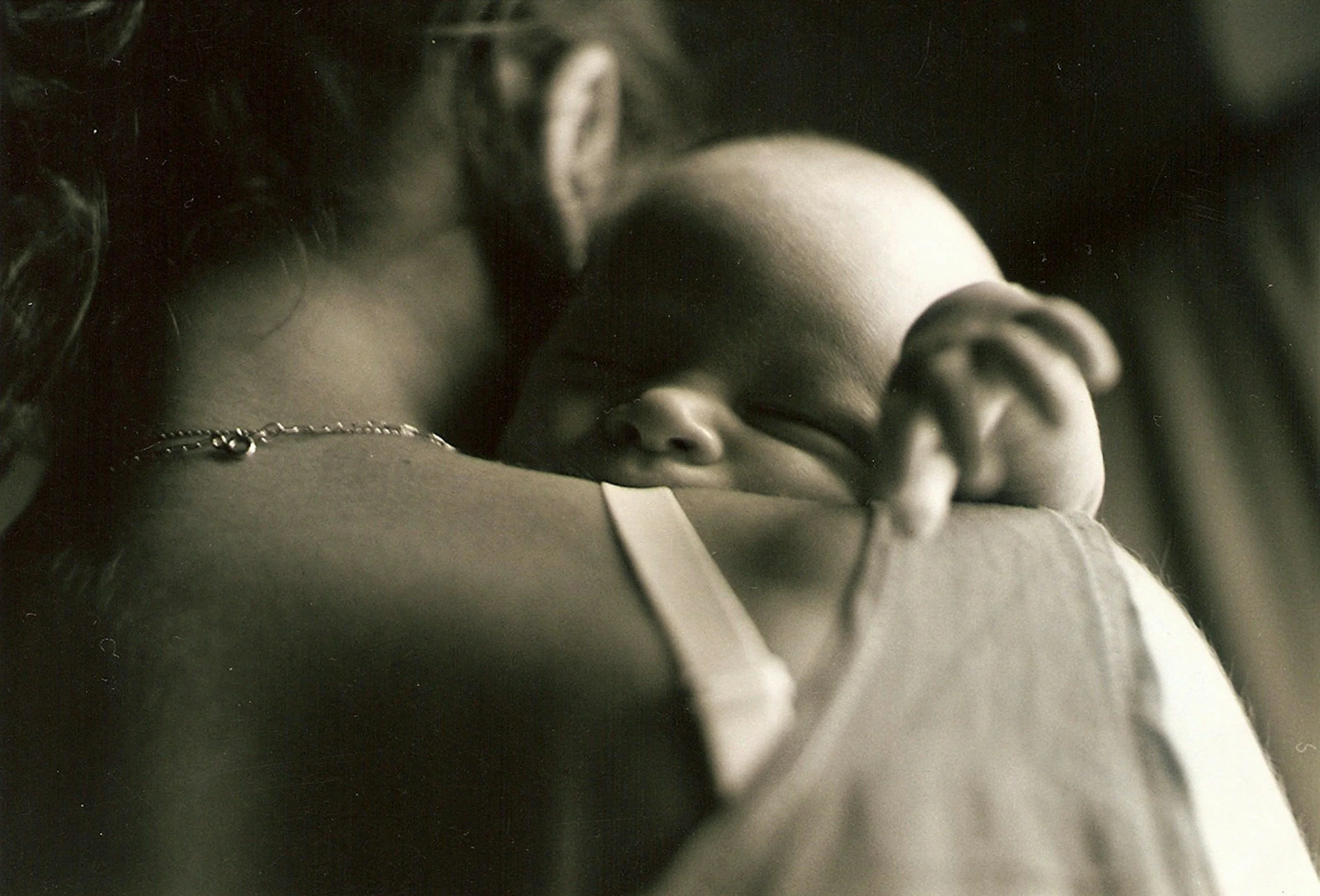
I want to finish with this.
One of the things that causes parents the most pain is the idea that by responding to their baby - by feeding, by holding, by settling - they're somehow making things worse.
They're not.
A baby who is fed to sleep has been responded to. They have been comforted. They've been shown that when they need something, someone comes.
That is not a bad habit.
That is connection. That is how trust is built.
Sleep will evolve. The way you settle your baby will evolve. You will adapt, when the time is right, in a way that works for your family.
But feeding to sleep, in and of itself, is not something to be afraid of.
If this has resonated with you, Giving In vs Leaning In: What It Really Means for Your Baby or Toddler's Sleep explores exactly this - why responding to your baby isn't giving in, and why connection is the foundation of restful sleep.
Frequently Asked Questions About Feeding to Sleep
Is feeding to sleep a bad habit?
No. Feeding to sleep is a biologically rooted settling method that activates calm, supports nervous system regulation, and provides comfort and connection. Whether it becomes something you choose to change depends entirely on whether it's causing a problem in your family, not on what a general rule says.
Does feeding to sleep cause night waking?
Feeding to sleep is one of many factors that can influence how a baby resettles between sleep cycles, but it is rarely the sole cause of night waking. Total sleep across 24 hours, nap timings, developmental stage, and temperament all play a role. Many babies who feed to sleep at bedtime sleep comfortably for several hours, even though the whole night, without needing to feed again.
Should I follow Eat–Play–Sleep to avoid feeding to sleep?
The Eat–Play–Sleep routine works well for some families, but it is not a biological requirement and it is not the only path to good sleep. For many babies, feeding towards the end of the wake window is one of the most effective and natural settling tools available. If separating feeding from sleep feels counterintuitive and is making things harder, it is worth questioning whether you need to do it at all.
When should I stop feeding my baby to sleep?
There is no set age at which feeding to sleep must stop. Many families continue well into toddlerhood without difficulty. If feeding to sleep stops working for your family - if you're finding overnight waking unsustainable - that is a good time to explore gentle alternatives. But that timing is led by your family's needs, not by an external rule.
Can I gently change feeding to sleep if I want to?
Yes. If and when you decide you'd like to shift how your baby falls asleep, there are gentle, responsive ways to do that. It doesn't require leaving your baby to cry. Change is possible at any point - you haven't missed a window, and it doesn't have to be difficult. If you'd like support working through this, [a 1:1 consultation is a good place to start].
If you're second-guessing yourself because of something you've read or been told, I hope this helps you feel a little steadier. Feeding to sleep is something millions of parents do, quietly, every single night, because it works, and because it feels right.
If you'd like personalised support for your baby's sleep, you can find out more about working with me here.