Why Does My Baby Only Nap for 30-45 Minutes? Understanding Short Baby Naps
You've timed it perfectly. Watched the sleepy cues, done the wind-down, darkened the room. Maybe you even tiptoed away like a ninja, barely breathing until you hit the kitchen.
And then - thirty minutes later - they're awake.
You sit there staring at the monitor wondering what went wrong. Whether you missed the right window. Whether you put them down too late, or not tired enough, or at slightly the wrong angle on a slightly wrong day.
Short naps are one of the most common things parents worry about in the first year. They come loaded with a particular kind of frustration, because they tend to arrive just as you've finally sat down.
The good news is this: in most cases, short baby naps are completely normal. Once you understand the biology behind them, those thirty-minute wake-ups often start to make a lot more sense.
Why does my baby wake after a 30-minute nap?

The most common reason is simply that one sleep cycle has ended.
Babies, like adults, sleep in cycles. For most babies, one cycle lasts somewhere between 30 and 45 minutes. At the end of that cycle, they surface briefly into lighter sleep before either linking smoothly into the next cycle or waking fully.
When your baby wakes after 30 or 40 minutes, it usually means they've completed one cycle. That's it. There's no failure in that. It's just how sleep works.
The ability to link sleep cycles - to drift from one into the next without fully waking - develops gradually over time. It's influenced by neurological maturity, how much sleep pressure has built up, and how regulated your baby feels when they surface between cycles. In the early months especially, many babies simply aren't there yet.
If you'd like to understand how nap patterns typically develop across the first year, this post on how many naps your baby should have covers it in detail.
Why short baby naps feel so stressful

Short naps are rarely the problem parents think they are. The stress usually comes from the expectations that have quietly built up around them.
The idea that a good nap should last one or two hours is everywhere. So when a baby wakes after thirty minutes, it can feel like something has gone wrong - or worse, like you've done something wrong.
But there's something else worth acknowledging here, gently.
Quite often, the frustration around a short nap isn't really about the nap itself. It's about what that nap was supposed to give you. Nap time is frequently the only predictable pause in the day - the moment you finally get to sit down, eat something, reply to a message, breathe. So when it ends after thirty minutes, the disappointment isn't really about your baby's sleep. It's about your own.
That is a completely human response. And it doesn't mean anything is wrong with you.
It can help, though, to ask a slightly different question. Not 'was that nap long enough for me?' but 'was it long enough for my baby?'
If your baby wakes content, feeds well, and settles again later in the day, the answer is often yes. Their body only needed that short reset.
Common reasons babies only nap for 30-45 minutes

Understanding what's influencing your baby's nap length can help you work out whether there's anything worth adjusting - or whether this is simply their pattern right now.
Some babies are natural catnappers
Their sleep rhythm is built around several shorter naps spread across the day rather than one or two longer stretches. If your baby consistently wakes happy and regulated after a short nap, this may simply be how they're wired. Not a problem that needs solving.
Sleep pressure might not be high enough yet
Sleep pressure is the gradual build-up of tiredness that drives the urge to fall - and stay - asleep. If a baby goes down slightly too early, they may be tired enough to fall asleep but not tired enough to link into another cycle. A small shift in timing can sometimes make a meaningful difference here.
Developmental activity
When babies are learning new skills - rolling, crawling, pulling to stand - their brains are incredibly busy, even during sleep. That heightened activity can lead to lighter naps for a while. It usually settles once the new skill becomes more familiar.
How regulated they were going into the nap
Babies who go down still quite stimulated are more likely to surface fully between cycles rather than settling back. A calm, consistent wind-down - even just five to ten minutes of quiet time before sleep - can help their nervous system settle before the nap begins.
If you're wondering whether your baby might be going through a developmental phase that's affecting their sleep, this post on the 4-month sleep progression explains what's changing neurologically and why it shows up in naps too.
When contact naps seem to last longer

Many parents notice their baby naps longer on them than anywhere else, and there's a straightforward biological reason for that.
Physical closeness with you regulates your baby's nervous system. The warmth, your steady breathing, the familiar heartbeat - all of it signals safety and helps a baby move through the transition between sleep cycles without fully waking. It's not a habit or a rod for your own back. It's biology doing exactly what it should.
If contact naps are working for your family right now, there's nothing to change.
If you're starting to wonder about the transition, this post on moving from contact naps to the cot walks through how to approach it gently and at your own pace.
What can actually help with short baby naps?

There's no universal fix for short naps, because the cause matters. But here are some things worth looking at.
Look at the timing of the nap. If your baby is waking after one cycle and seems unsettled, it may be worth experimenting with pushing the nap slightly later. Even ten or fifteen minutes of extra awake time can give sleep pressure more time to build, making it easier for your baby to link cycles.
Protect a calm wind-down
It doesn't have to be elaborate. A short, consistent sequence before naps - a feed, a darkened room, a few minutes of quiet time together - signals to your baby's nervous system that sleep is coming. Over time, this predictability can support more settled sleep.
Notice your baby's mood on waking
A baby who wakes happy and regulated after 30 minutes is telling you something different from a baby who wakes grumpy and can barely get to the next nap without struggling. The first is probably fine. The second suggests timing or sleep pressure may need a gentle look.
Look at total sleep across 24 hours, not just individual naps
A short nap isn't a problem on its own if overnight sleep is good and your baby seems genuinely rested. Sleep is a full-day system. What matters is the whole picture.
If naps feel consistently difficult and you're not sure where to start, a Sleep Clarity Call can help you look at the whole picture together, without the overwhelm of trying to piece it all together alone.
Looking at the bigger picture of baby sleep
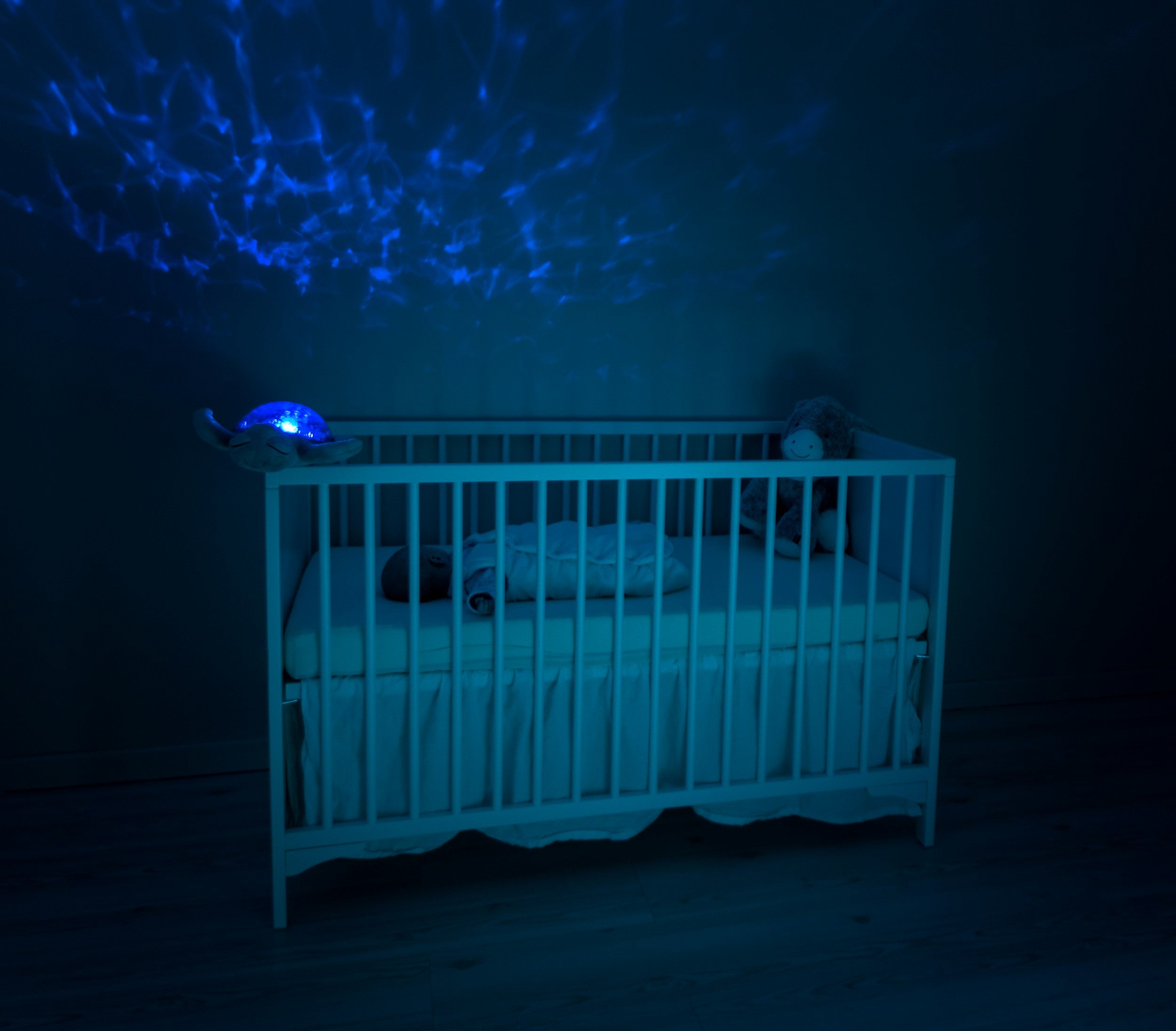
Sleep works as a 24-hour system. Day sleep, night sleep, circadian rhythm, and sleep pressure are constantly influencing each other.
Sometimes what looks like a nap problem is connected to how sleep is distributed across the whole day. A baby taking very long daytime naps may have less sleep pressure left for night. A baby waking frequently overnight may be catching extra sleep in the day to compensate.
If your baby is having long unexplained wake periods in the night, the same balance between sleep pressure and circadian rhythm is usually involved. This post on split nights explains why that happens and what can help.
And if night waking is a broader concern, this post on whether it's normal for babies to wake every hour may help you feel a lot more grounded about what's typical.
Will my baby grow out of short naps?

In many cases, yes.
As babies grow, their sleep matures and the ability to link cycles often improves naturally. This shift tends to happen somewhere around five to eight months, though every baby has their own timeline. Some babies who take short naps in early infancy begin taking noticeably longer ones without any intervention at all.
Some babies simply continue taking shorter naps for longer - particularly if their overall sleep needs are slightly lower than average. That's normal too.
What matters most isn't any single nap. It's the bigger picture: whether your baby seems content and well-rested overall, whether they're growing and feeding well, and whether sleep across the full day makes sense for them.
The bottom line on short baby naps

A short nap isn't a failed nap.
It's often simply one completed sleep cycle - and for many babies, one cycle is exactly what their body needed in that moment.
This stage can feel relentless when you're in the thick of it. The interrupted days, the narrow windows, the sense that nothing is ever quite settled. But short naps in infancy are far more often a sign that your baby's sleep system is working as it should, than a sign that anything has gone wrong.
You haven't missed a window. You haven't created a problem. You're responding to a baby whose biology is doing exactly what it's designed to do.
And with time, and the right rhythm across the day, things usually shift on their own.
If you're finding naps consistently difficult - or if you're not sure whether what you're seeing is normal - my free sleep guide is a good place to start. It covers the foundations I come back to time and time again with the families I work with.
Download it here: Free Sleep Guide. Or if you'd like to talk it through properly, you can book a free discovery call.
Frequently asked questions about short baby naps
Is a 30-minute nap enough for a baby?
It can be. If your baby wakes content and feeds well after a 30-minute nap, that nap has likely done its job. A single sleep cycle lasts around 30 to 45 minutes for most babies, and for some, one cycle is all they need at a given point in the day. The key question isn't whether the nap met some external standard, it's whether your baby seems rested.
Why does my baby always wake up after one sleep cycle?
Often, because they've had enough. A single sleep cycle gives a baby a meaningful chunk of rest, and for some babies at some stages, that's genuinely all they need before they're ready to be awake again. It's worth sitting with that before assuming something needs fixing.
That said, the ability to drift from the end of one sleep cycle into the beginning of the next without fully surfacing does develop gradually over the first year - it requires a level of neurological maturity that simply isn't there yet in younger babies. So if your baby is waking after one cycle, it's either because they're done, or because linking cycles is still developing. Either way, it's not a sleep problem.
How can I get my baby to nap longer?
It's worth pausing on why longer feels like the target. There's a widespread belief that naps need to be long to be restorative, but a single sleep cycle can be restorative. A baby who wakes after 30 or 45 minutes and seems content has not had a failed nap. They've had a complete one.
If your baby is waking from naps unsettled, that's worth looking at. But if they're waking content and able to engage, the nap almost certainly did its job, and the goal of extending it is more about parental expectation than biological need.
That said, if naps are consistently short and your baby seems unsettled between them, one thing worth considering is whether sleep pressure has had enough time to build before the nap. Going down too early can mean there isn't enough drive to sustain sleep beyond one cycle.
At what age do baby naps get longer?
Many babies begin taking longer naps somewhere between five and eight months, though this varies considerably. Some manage it earlier, some later. Nap length tends to improve gradually as the nervous system matures, rather than changing overnight.
Why does my baby nap longer on me than in the cot?
Physical closeness with you regulates your baby's nervous system, making it easier for them to move through the transition between sleep cycles without waking. Your warmth, heartbeat, and scent signal safety, which supports deeper, more sustained sleep. This isn't a habit to be worried about - it's biology.
Should I wake my baby from a short nap?
Generally, no. If your baby wakes naturally after one cycle, there's usually no need to intervene. If you're trying to protect a later bedtime and your baby has fallen asleep very late in the afternoon, a gentle wake might be appropriate - but this is situational rather than a rule.
Is a 45-minute nap normal for a baby?
Yes, completely normal. Most babies have a sleep cycle of 30 to 45 minutes, so waking after 45 minutes simply means one cycle has ended. As with all nap questions, what matters most is whether your baby seems settled and well-rested overall - not whether the nap hit a particular number.
Can short naps lead to overtiredness?
Short naps aren't a problem in themselves. For many babies, several shorter naps spread across the day add up to more than enough total sleep - and a baby who seems content between them is almost certainly managing fine.
Where it can become relevant is if naps are both short and infrequent, meaning your baby is reaching the evening having had significantly less daytime sleep than their body needs. "Overtired" is actually a bit of a misleading term here - what's really happening is that their nervous system is struggling to regulate, and a dysregulated nervous system finds it harder to wind down into sleep. Which can make settling harder, not easier. But this is about the overall pattern across the full day, not the length of any single nap.
What is a catnapper baby?
A catnapper is a baby whose natural sleep rhythm is built around several shorter naps rather than one or two long stretches. Some babies are simply wired this way. If your baby consistently wakes after one cycle but seems content and regulated, they may simply be a catnapper - and there's nothing wrong with that.