Why Does My Baby Wake as Soon as I Put Them Down? The Real Reason (And What to Do)
If your baby wakes the moment you put them down, it can feel exhausting and frustrating, especially when you’ve taken your time and they seemed deeply asleep in your arms.
This is one of the most searched baby sleep questions because it happens so often, across ages, temperaments, and routines. And despite how it’s often framed, it isn’t a sign that your baby “can’t sleep in the cot”, that you’ve created bad habits, or that something needs fixing.
Most of the time, a baby who wakes as soon as they’re put down is responding to a sudden change in regulation, not resisting sleep.
Let’s look at what’s really going on.
The Put-Down Is a Big Sensory Shift

When a baby falls asleep on you, their body is supported by a full package of sensory input:
Warmth
Pressure
Gentle movement
Your smell
Your breathing and heartbeat
Familiar sound
Being put down removes many of those things at once.
Even when you’re careful and slow, the sensory environment changes dramatically in a very short space of time. For a baby whose nervous system is still developing, that shift can be enough to bring them back into a lighter state of sleep.
This isn’t your baby fighting sleep.
It’s their body noticing that something important has changed.
If you’re also wondering whether this means your baby is “ready” for cot naps (or whether you’re pushing against their wiring), this blog will help - Is Now the Right Time to Move from Contact Naps to the Cot?
Sleep Is Vulnerable - Closeness Is Protective

From a biological and survival perspective, babies are wired to sleep more safely and more deeply close to a caregiver.
Sleep is a vulnerable state. Being near a trusted adult provides warmth, protection, regulation, and reassurance.
This is also why frequent night waking can sit well within normal baby sleep, especially in the first year. I explain that more fully in the blog - Is it normal for my baby to wake every hour at night?
When that closeness is suddenly removed, some babies wake as a protective response. Not because their sleep space is unsafe, but because their nervous system is doing exactly what it’s designed to do.
This is especially true for babies who are more sensitive to change, lighter sleepers, or very aware of their surroundings.
Calm Matters But Tiredness Matters Too

Calm is essential for sleep, but it isn’t the whole picture
A baby can be calm, relaxed, and content in your arms and still not quite ready to sleep. If there isn’t enough sleep pressure - that natural build-up of tiredness - sleep will not come easily.
This is one of the common reasons babies stir or wake soon after being put down. Not because the transfer was done wrong, and not because the cot is a problem, but because their body wasn’t quite ready to tip fully into sleep yet.
Sleep needs both:
a calm nervous system
enough tiredness for sleep to stick
Calm helps sleep begin, and tiredness helps it last. When one is missing, sleep will not come easily.
Because there is so much fear around “overtiredness”, largely driven by the sleep training industry, many parents end up trying to settle their baby when they’re not quite tired enough.
If you’re unsure whether your baby is actually ready for sleep, try a small experiment.
Switch things up for about ten minutes and see what happens. You might:
walk around the house and point things out
stand in front of a mirror and pull faces
get down on the floor with some noisy toys
step outside for a bit of fresh air
Anything that adds a little sensory input.
If, after ten minutes, your baby perks up, becomes more alert, or seems interested again, they were probably not tired enough for sleep yet.
If those tired signs stay the same, or they slow down even more, it’s likely your baby really does need sleep – and settling is more likely to come easily.
This kind of gentle experimentation takes the pressure off trying to get the timing “perfect” and helps you tune into what your baby actually needs in that moment
Your Baby May Not Be Finished Settling Yet

Many babies need longer in arms than we expect.
A baby who wakes immediately when put down often wasn’t fully in deep sleep yet. Their breathing may not have slowed completely, their muscles may still hold tension, and their nervous system may still be relying on your body to stay regulated.
Waiting a little longer before transferring – rather than rushing the put-down – can make a real difference. This isn’t about creating dependency. It’s about allowing sleep to deepen before asking your baby’s body to manage a transition.
What That Can Look Like in Practice
Rather than watching the clock, watch your baby.
As a rough guide, many babies need around 20 minutes in arms after falling asleep before their sleep deepens enough to tolerate a transfer. Some need a little less, some need more - it’s not a rule, just a helpful reference point.
Signs sleep has deepened often include:
breathing that is slow and steady
a heavier, more relaxed body
arms and hands that feel loose rather than held tight
If you want a simple check, gently lift one arm. If it drops back down heavily, sleep has usually deepened.
When you do transfer, move slowly and keep things familiar:
lower them gently rather than placing them quickly
keep a hand on their body for a few moments once they’re down
continue any quiet cue you were using, like a soft shush or hum
If they stir, pause. Sometimes a moment of stillness or gentle touch is enough for them to resettle. If they wake fully, picking them up and trying again later isn’t a failure - it’s simply responding to where their nervous system is at that time.
There’s no single fix, but these small, responsive tweaks often help:
waiting until breathing is slow and regular before transferring
keeping your hands on your baby for a moment after putting them down
lowering them slowly, bottom first or with a gentle side-roll
using white noise to reduce the contrast between arms and cot
accepting that some stages simply need more contact
And sometimes, the most helpful shift is letting go of the idea that this needs fixing at all. For many babies, this phase eases naturally as their nervous system matures.
This Is About Regulation, Not Independence
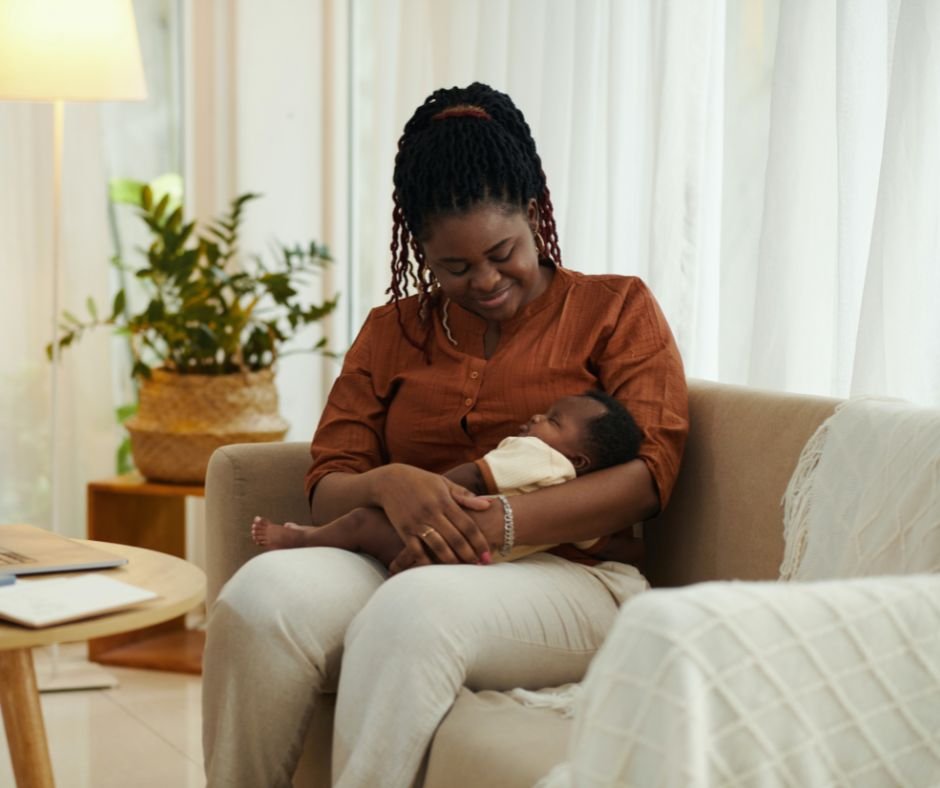
Babies are biologically wired to fall asleep with support. Feeding, rocking, holding, and responding help guide their nervous system into rest.
The challenge isn’t how your baby falls asleep. Forget self-settling!
It’s when that support disappears too suddenly for where their nervous system is right now.
That’s why waking on put-down doesn’t mean your baby needs to learn how to fall sleep alone. It means they may need more help through the transition.
Layering in familiar cues – gentle touch, sound, rhythm – can help make the shift feel less abrupt over time, without removing comfort altogether.
Temperament Matters More Than We’re Told

Some babies are naturally lighter sleepers and more sensitive to separation and change.
They notice small differences in pressure, movement, sound, and temperature. Others tolerate those shifts more easily and can stay asleep through them.
Neither is better or worse. It’s simply different wiring.
For babies who are more sensitive, the challenge isn’t how they fall asleep. It’s when support disappears too suddenly for where their nervous system is right now. A change that barely registers for one baby can be enough to wake another.
So if your baby wakes easily when put down, it doesn’t mean you’ve done something wrong, or that you’ve created a problem. It often means your baby needs more support around transitions, especially during sleep.
Understanding temperament helps take this out of the realm of “what am I doing wrong?” and place it where it belongs – in how your baby is wired.
And Yes, Some Babies Never Really Love the Cot!

This part matters.
While many babies do grow into cot sleep with time and gentle support, some babies simply never love the cot. Just like adults, babies have preferences. Some are more sensitive to space, stillness, or separation. Some sleep better with closeness, or in setups that feel less enclosed.
That doesn’t mean they can’t sleep well.
It means they may sleep better with different support, or in a different arrangement - such as a sidecot, a floor bed, or a mixed sleep setup.
The goal isn’t to force a preference or push through something that never quite settles. It’s to find a sleep setup that feels safe, sustainable, and supportive for both of you.
Another Option If the Cot Is a Complete No-Go: The Floor Bed

If your baby consistently resists the cot, or if transitioning feels like an uphill battle no matter how gently you approach it, a floor bed can be a very workable alternative.
Some babies don’t enjoy the feeling of being confined. A floor bed offers a more open, relaxed sleep space while still allowing your baby to have their own place to sleep. For certain temperaments, that sense of space and freedom makes settling feel easier.
And when I say floor bed, I don’t mean a Pinterest-perfect setup or an expensive purchase. A simple, firm mattress on the floor works just as well.
Safety Comes First
A floor bed can be a great option, but safety is paramount.
Because your baby has more freedom of movement, it’s essential to treat the entire room as the sleep space, not just the mattress itself. Once your baby wakes, they’ll be able to move around freely.
That means:
baby-proofing the whole room
securing furniture to walls
covering plug sockets and hiding cables
removing small objects or anything that could be pulled down
ensuring windows, blinds, and cords are fully safe
Think of the room as a large cot rather than focusing only on the bed.
When the environment is safe, a floor bed can offer a gentle middle ground – more space for your baby, less restriction, and often a smoother transition away from constant contact, without forcing separation.
For some families, it becomes a short-term stepping stone. For others, it’s the setup that finally allows everyone to rest better.
This Isn’t a Bad Habit - It’s Biology

A baby who wakes when put down isn’t waking because they’ve learned the “wrong” way to sleep.
They’re waking because sleep is vulnerable, and their body isn’t quite ready to stay there without you yet.
Needing closeness to remain asleep is protective, not problematic. Over time, as the nervous system matures and sleep feels safer, many babies are able to stay asleep more easily after transfers. Others continue to need more closeness, and that’s normal too.
Around four months in particular, sleep structure shifts in a permanent way, which can make transfers feel harder for a while. I break down what’s actually happening during the so-called four-month sleep regression here - What Is the 4-Month Sleep Regression and How Long Does It Last?
Frequently Asked Questions
Why does my baby wake when I put them down?
Because the transition removes warmth, pressure, movement, and closeness all at once. If your baby’s nervous system isn’t fully settled yet, that change can trigger a wake.
Does this mean my baby hates the cot?
Not necessarily. Babies don’t wake because they dislike the cot itself. They wake because the transition into it can feel abrupt, and because babies are biologically wired to sleep more safely and deeply close to a caregiver.
It’s also true that some babies never really love the cot. That doesn’t mean anything is wrong - it just means they may sleep better with different support or a different setup.
Is my baby waking because I missed the right time to put them down?
Sometimes, but not in the way it’s often framed.
Waking on put-down is far more about regulation than hitting a perfect moment. Calm comes before sleep.
That said, timing does still play a role. If a baby isn’t quite tired enough yet, it will be harder for sleep to hold through a transfer.
Rather than trying to catch a narrow “window”, it helps to think in terms of readiness - a calm nervous system and enough tiredness for sleep to stay settled.
Am I creating bad habits by holding or feeding my baby to sleep?
In a word - no! Supporting your baby to sleep is developmentally normal and often protective. It doesn’t cause this issue.
Will my baby grow out of waking when put down?
Many babies do as their nervous system matures and transitions become easier. Others continue to need more closeness or alternative sleep setups. Both are normal and healthy.