Five Things I Wish Someone Had Told Me About Baby Sleep
If you’re holding your baby, trying everything you can think of, and wondering why sleep still isn’t happening, you’re not missing some secret trick. You’re also not failing some invisible parenting test that everyone else seems to have passed. More often than not, you’re just tired, and tired brains don’t always spot the small things that quietly make a difference.
When I think back to those early months as a first time mum, almost everything I was told about baby sleep focused on one thing: how to get a baby to fall asleep. The advice was all about methods, routines, and eventually, some version of controlled crying. The message underneath it all was clear enough;
If your baby wasn’t sleeping, you needed to do something differently. Be firmer. Be more consistent. Take control.
What no one really talked about were the other pieces. The things around sleep rather than the act of falling asleep itself. The bits that don’t fit neatly into a plan or a method, but that often make settling easier or harder without us realising.
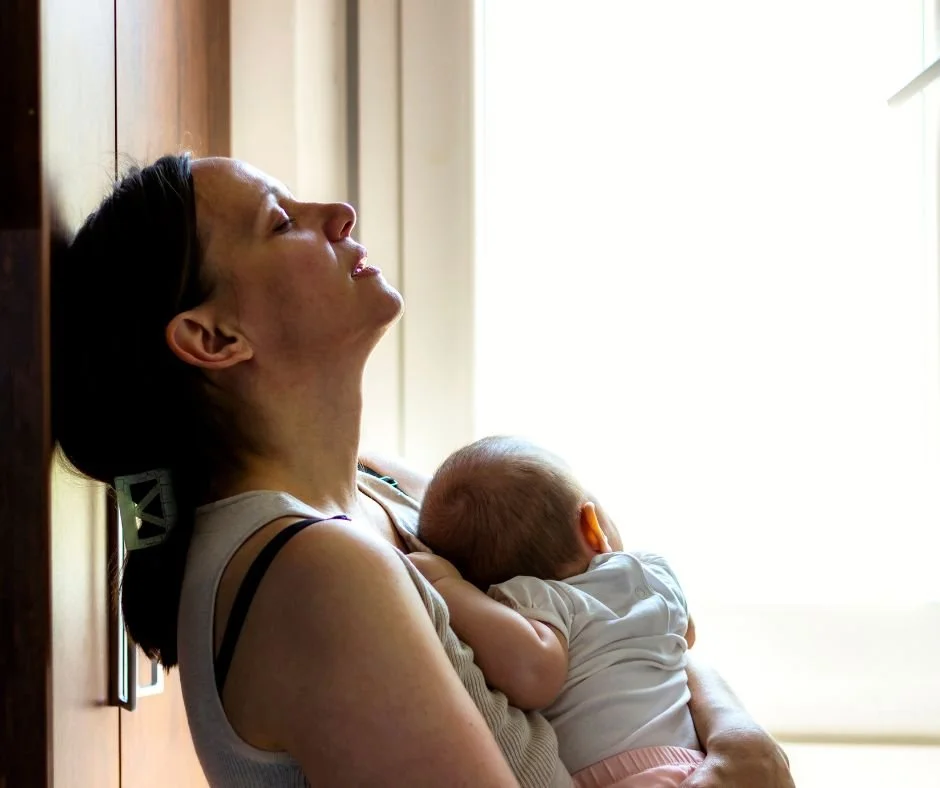
This is usually the point where parents tell me they feel stuck. They’ve done the feeds, the naps, the routines, the Googling. They’ve followed the advice, then followed different advice, then quietly abandoned most of it because none of it quite fitted their baby anyway. And now they’re standing in a dim room at 2am, bouncing a baby who clearly hasn’t read the rulebook.
These are five things I come back to in those moments. They’re not a checklist to work through rigidly, and they’re not about making sleep happen. They’re the things I know now, and wish someone had gently pointed out to me back then, when everything had narrowed down to one desperate thought: please just sleep.
If you find yourself feeling stuck in all of this, you might also find it reassuring to read Why Calm Matters Most for Baby and Toddler Sleep, where calm, not perfection, is the real foundation of easier nights.
Start with the boring basics (yes, even if you already checked)

I know. Of course you’ve checked the nappy. Of course you fed them. Of course you thought about layers and temperature. But exhaustion has a way of making even the most competent adults slightly less observant than usual.
Babies are remarkably good at filling a nappy quietly just after you’ve checked it, or deciding that the vest that was fine an hour ago is now completely unacceptable. Sometimes they’re just a bit too warm, or just that tiny bit uncomfortable, and no amount of rocking or shushing is going to override that.
It sounds obvious, but a calm double-check of the basics - nappy, tummy, clothes, temperature - can genuinely be the thing that unlocks everything else. And if it isn’t, at least you know you’re not trying to settle a baby who’s uncomfortable.
Are they actually tired enough?

There’s a lot of fear around overtiredness, and it leads many parents to start settling at the very first yawn. But those early tired signs often mean sleep is on the way, not that it has arrived.
I see this a lot with families who feel stuck in short naps, frequent night waking, or long bedtime battles. Sometimes the issue isn’t that their baby is too tired - it’s that they’re not quite tired enough yet. Waiting another ten or fifteen minutes, keeping things gentle but awake, can be enough to build that extra bit of sleep pressure that makes settling easier.
I’ve written more about this in my blog - Why Wake Windows Might Be Stressing You Out And What Actually Helps With Baby Sleep, because this is one of the areas where this advice often creates more pressure than it solves.
Does the environment actually suit your baby?

The internet loves a rule. Dark room. Cot. White noise. Repeat forever.
But babies didn’t get that memo.
Some settle best in quiet and stillness. Others need a bit of background life. Some will fight sleep tooth and nail until you put them in the pram or carrier, at which point they’re asleep before you’ve reached the end of the road. None of this means you’re doing anything wrong - it just means your baby has preferences.
Sleep doesn’t have to happen in pitch black silence to be “good” sleep. Small tweaks to light, sound, temperature or movement can make a surprisingly big difference, and it’s often worth experimenting rather than trying to force your baby to sleep in an environment that clearly isn’t working for them.
If contact naps are the only thing that’s working right now, you might find my blog, Transitioning from Contact Naps to Naps in a Cot : A Gentle Approach helpful, especially if you’re feeling pressure to move away from them before either of you is ready.
Check in with yourself (annoying, but important!)

This is the bit no one wants to hear when they’re already stretched thin, but it matters. Babies borrow regulation from the adults holding them. If you’re rushing, tense, or internally chanting please just go to sleep, your baby often feels that, even if everything else looks “right”.
That doesn’t mean you need to be perfectly calm. It just means slowing things down when you can. Softening your breathing. Letting go of the idea that sleep has to happen now. Holding your baby for connection first, rather than as a means to an end.
Sleep tends to follow a sense of safety, and safety isn’t created by doing more – it’s created by doing less, more slowly.
Sometimes you both need a reset

If nothing is working, stopping can be more helpful than pushing on. Changing rooms, stepping outside for a minute, opening a window, or giving yourselves ten or fifteen minutes before trying again can completely change the feel of a settle.
You haven’t failed. Your baby isn’t “giving you a hard time”. They’re having a hard time, and it’s allowed to be hard for you too.
This idea of stepping back and looking at sleep more broadly is something I talk about a lot when families are dealing with night waking that feels relentless, including in my blog on split nights, where trying harder is often the thing that keeps everyone stuck.
You’re not doing it wrong with baby sleep
If you take nothing else from this, take this: you haven’t missed something obvious, and you’re not doing it wrong. This part of parenting really is demanding, and sometimes the shift that helps most isn’t a new technique, but a wider view.
I often think about sleep like this. You and your baby each have a job. Your job is to offer the conditions for sleep - connection, calm, timing, environment, reassurance, and a whole lot of patience. Your baby’s job is to actually fall asleep.
You can’t do that part for them. But when you focus on your role, rather than trying to control the outcome, sleep often becomes easier to find.
Frequently asked questions about baby sleep
Why does baby sleep feel so hard even when I’m doing everything “right”?
Because baby sleep isn’t just about routines or techniques. It’s influenced by timing, regulation, environment, development, and how safe a baby feels in that moment.
Even when all the obvious boxes are ticked, sleep can still be unsettled, and that doesn’t mean you’re doing anything wrong.
Am I missing something if my baby still won’t settle?
In most cases, no. Many parents worry there’s a secret trick they haven’t learned yet, but sleep often improves when pressure is reduced rather than increased. Small things around comfort, timing, and environment can help, but there isn’t one missing piece that suddenly makes everything work.
Why does my baby settle better for contact naps or movement?
Many babies regulate more easily with closeness, motion, or background noise. This doesn’t mean they’re dependent or learning bad habits. It usually reflects how their nervous system feels safest settling at that stage, and those preferences often change naturally over time.